
Middle School Course Selection: Setting Up for Success
Middle School Course Selection: Setting Up for Success Middle school course selection is a pivotal decision point in a child's academic journey, especially for families eyeing competitive college adm...
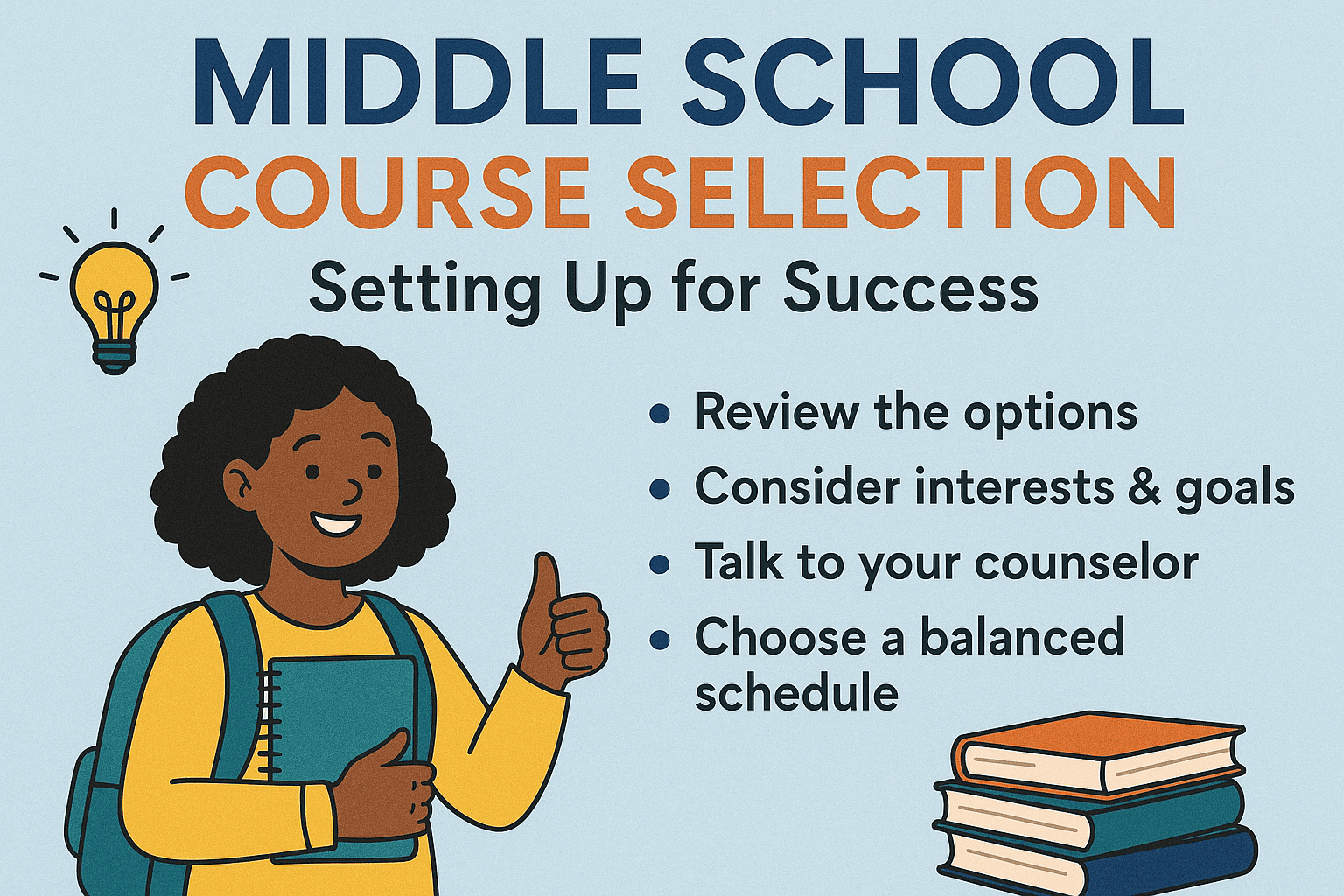
Middle School Course Selection: Setting Up for Success
Middle school course selection is a pivotal decision point in a child's academic journey, especially for families eyeing competitive college admissions. Choosing the right mix of courses can significantly impact a student's readiness for high school, where grades and course rigor become crucial for college applications. For affluent parents with college-bound children, the goal is to navigate this process with a strategy that blends academic challenge with personal interest, setting a solid foundation for future success. This guide aims to provide expert guidance on making informed course selections during these formative years.
Understanding the Importance of Middle School Course Selection
Middle school is more than just a transition phase; it's a launchpad for high school and beyond. Course selection during these years can:
- Lay the groundwork for advanced high school courses
- Help students discover and develop their interests and talents
- Influence the development of critical study habits and skills
Key Considerations
When selecting courses, consider:
- Academic Rigor: Balance challenging courses with your child's workload capacity.
- Interest Exploration: Encourage courses in areas of personal interest to foster a love for learning.
- Comprehensive Skills: Include courses that build essential skills, such as writing, problem-solving, and critical thinking.
Strategic Course Selection for College-Bound Students
1. Prioritize Core Subjects
Focus on the core subjects of Math, Science, English, Social Studies, and Foreign Languages. These foundational areas are critical for high school success and college readiness.
- Math: Aim for a trajectory that leads to Calculus by senior year of high school.
- Science: Include a mix of biology, chemistry, and physics over middle and high school years.
- English: Focus on courses that enhance reading comprehension and writing skills.
- Social Studies: A broad understanding of history, geography, and civics prepares students for advanced courses.
- Foreign Languages: Early exposure can facilitate fluency and satisfy college admission requirements.
2. Explore Advanced and Elective Courses
- Advanced Courses: Look for opportunities in honors or accelerated courses that challenge your student.
- Electives: Encourage exploration in the arts, technology, or other areas of interest, fostering a well-rounded education.
3. Develop Soft Skills
Courses in public speaking, leadership, or team sports can cultivate communication, leadership, and teamwork skills, which are invaluable in college and beyond.
Crafting a Balanced Schedule
- Academic Challenge vs. Well-Being: Ensure the course load is challenging yet manageable to avoid burnout.
- Year-Round Learning: Consider summer programs or camps that align with academic goals or interests.
Practical Steps for Parents
- Review the Curriculum: Understand the course offerings, prerequisites, and pathways.
- Consult with Teachers and Counselors: Leverage their insights for personalized recommendations based on your child's strengths and areas for growth.
- Plan Ahead: Look beyond middle school to high school course requirements for college readiness.
- Encourage Ownership: Involve your child in the decision-making process to build autonomy and motivation.
The Role of Extracurriculars
Beyond academics, extracurricular activities play a crucial role in personal development and college applications. They offer opportunities to:
- Demonstrate leadership and commitment
- Explore interests deeply
- Develop time management and prioritization skills
Selecting Extracurriculars
- Align activities with personal interests and academic goals
- Seek quality over quantity; deep engagement in a few areas is more impactful than superficial involvement in many
Navigating Challenges and Setbacks
Despite careful planning, students may face academic challenges or lose interest in a selected course. It's important to:
- Encourage resilience and problem-solving skills
- Reevaluate and adjust course selections if necessary, keeping long-term goals in sight
Conclusion: The Long View
Middle school course selection is not just about the next test or semester; it's about setting a trajectory toward college and career aspirations. By choosing courses strategically, students can explore their interests, develop essential skills, and build a strong academic foundation for high school and beyond. For parents, the goal is to guide and support their children through this process, ensuring they are challenged, engaged, and prepared for the future.
Key Takeaways
- Strategic Planning: Middle school course selection is a critical step in academic and career planning.
- Balanced Approach: Aim for a mix of rigor and interest, ensuring students are challenged yet not overwhelmed.
- Parental Involvement: Stay engaged in the process, providing support and guidance while encouraging independence.
By embracing these strategies, parents can help their children navigate the middle school years with confidence, laying the groundwork for a successful transition to high school and beyond.
Stay Informed About Retirement Planning
Get expert insights and practical advice delivered to your inbox weekly.
Join 50,000+ seniors making informed retirement decisions.