
Estate Planning for Families: Complete Guide to Legacy Planning
Estate Planning for Affluent Families: Ensuring Your Legacy Estate planning is an essential process for affluent parents concerned with managing their wealth, safeguarding their children's future, an...
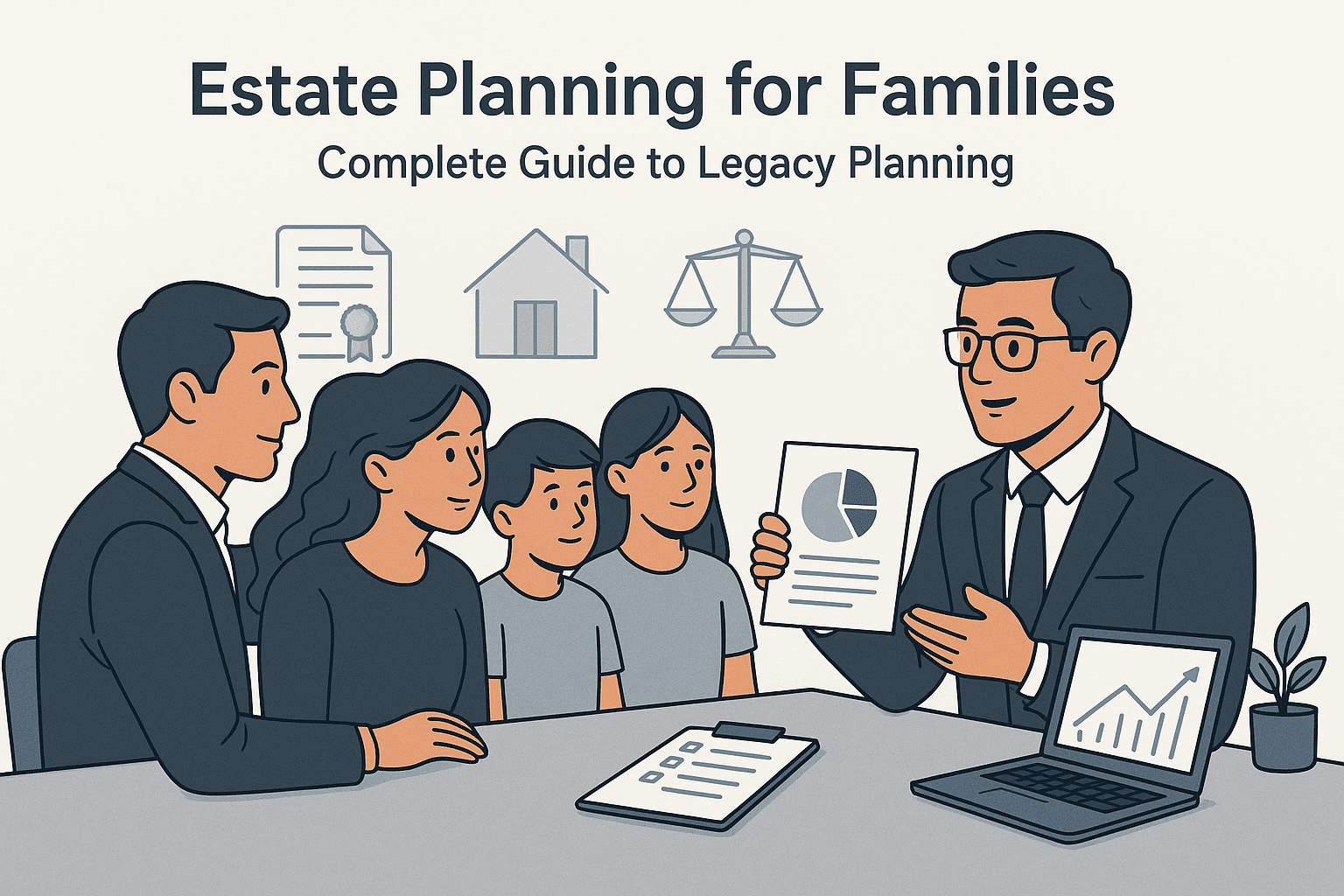
Estate Planning for Affluent Families: Ensuring Your Legacy
Estate planning is an essential process for affluent parents concerned with managing their wealth, safeguarding their children's future,, learn more about css profile guide: complete guide to college board financial aid form, learn more about ivy league admissions: complete guide to getting accepted, learn more about extracurricular activities for middle schoolers: complete guide, learn more about early decision vs. early action: which is right for your child?, learn more about 529 plan vs. life insurance: which should parents fund first? and ensuring a lasting legacy. It involves the preparation of tasks that serve to manage an individual's asset base in the event of their incapacitation or death. The planning includes the bequest of assets to heirs and the settlement of estate taxes. Most importantly, it's about peace of mind and ensuring that your family is taken care of in the way you envision.
Understanding Estate Planning
Estate planning is more than just writing a will. It's a comprehensive approach to managing your financial, legal, and personal affairs during and beyond your lifetime. Here are its core components:
- Wills and Trusts: Legal documents that outline your wishes regarding how your estate should be distributed.
- Power of Attorney: Designates someone to make legal or financial decisions on your behalf if you're unable.
- Healthcare Directives: Specifies your wishes for medical care if you're unable to communicate.
- Beneficiary Designations: Ensure certain assets are passed to designated beneficiaries without going through probate.
- Guardianship Designations: Important for parents, determining who will take care of your children if you can't.
The Importance of Estate Planning
- Control Over Your Wealth: Decide exactly how your assets are distributed.
- Protection for Your Heirs: Minimizes estate taxes, legal hurdles, and ensures that your beneficiaries receive their inheritance without unnecessary delays.
- Peace of Mind: Knowing your family will be cared for as per your wishes.
Estate Planning Statistics
- 60% of Americans don't have a will or estate plan.
- Estate taxes can claim up to 40% of your estate's value above certain thresholds.
- Proper estate planning can reduce or even eliminate these taxes in many cases.
The Process of Estate Planning
- Inventory Your Assets: List everything you own, from real estate and investments to personal items of value.
- Assess Your Family's Needs: Consider the future needs of your heirs, including education, healthcare, and personal development.
- Consult with Professionals: Estate planning is complex. Financial advisors, attorneys, and tax professionals can offer invaluable guidance.
- Create the Necessary Documents: Wills, trusts, power of attorney, and healthcare directives are foundational to your estate plan.
- Review and Update Regularly: Life changes, such as marriage, divorce, births, and deaths, can necessitate updates to your estate plan.
Choosing the Right Trust for Your Family
- Revocable Living Trust: Allows you to maintain control over your assets while alive but ensures they pass to your heirs upon your death.
- Irrevocable Trust: Cannot be changed once established, offering tax benefits and protection from creditors.
- Special Needs Trust: Designed to benefit someone who has a disability without disqualifying them from receiving government assistance.
The Role of Life Insurance in Estate Planning
Life insurance plays a crucial role in estate planning for affluent families. It can:
- Provide immediate liquidity to your estate.
- Offer a tax-free inheritance to your beneficiaries.
- Equalize inheritances among heirs if desired.
Historical Insight
Did you know that the concept of estate planning dates back to ancient Rome? Romans were pioneers in creating wills and establishing trusts to manage their estates, a practice that has evolved but fundamentally remained the same over centuries.
Estate Planning and Taxes: Navigating the Complex Landscape
Estate planning must take into account various taxes, including estate, inheritance, and gift taxes. Strategies to minimize these taxes include:
- Annual Gift Tax Exclusion: In 2023, you can give up to $16,000 to any number of people each year without incurring a gift tax.
- Lifetime Estate and Gift Tax Exemption: For 2023, the federal exemption is $12.06 million per individual, meaning you can leave or give away up to that amount tax-free.
Estate Planning for the Affluent: A Case Study
Consider the Smith family: with $30 million in assets, they faced potential estate taxes of up to $7.2 million. Through strategic gifting, creation of irrevocable trusts, and life insurance planning, they reduced their estate tax liability significantly while ensuring their legacy would be preserved for their children and grandchildren.
Practical Tips for Successful Estate Planning
- Start Early: The sooner you begin, the more options you'll have.
- Communicate with Your Family: Open discussions about your estate plan can prevent conflicts and ensure everyone's on the same page.
- Revisit Your Plan Regularly: Changes in laws, family dynamics, and personal wealth require your estate plan to evolve.
A Surprising Insight
Many assume that estate planning is only for the "ultra-wealthy." However, anyone with assets, including a home, savings, or a retirement account, can benefit from an estate plan. It's about protecting your legacy, no matter its size.
Conclusion: The Value of Estate Planning
Estate planning is a crucial task for affluent families aiming to protect and pass on their legacy. It ensures that your wealth is distributed according to your wishes, provides for your loved ones, and minimizes the impact of taxes on your estate. Remember, estate planning is not a one-time task but a lifelong process that reflects the changes in your life and priorities. With the right planning, you can secure your legacy and the well-being of your heirs for generations to come.
Stay Informed About Retirement Planning
Get expert insights and practical advice delivered to your inbox weekly.
Join 50,000+ seniors making informed retirement decisions.