
Early Math Skills: How to Introduce Numbers and Counting
Early Math Skills: How to Introduce Numbers and Counting Introducing your child to numbers and counting is a foundational step in their educational journey, setting the stage for future academic succ...
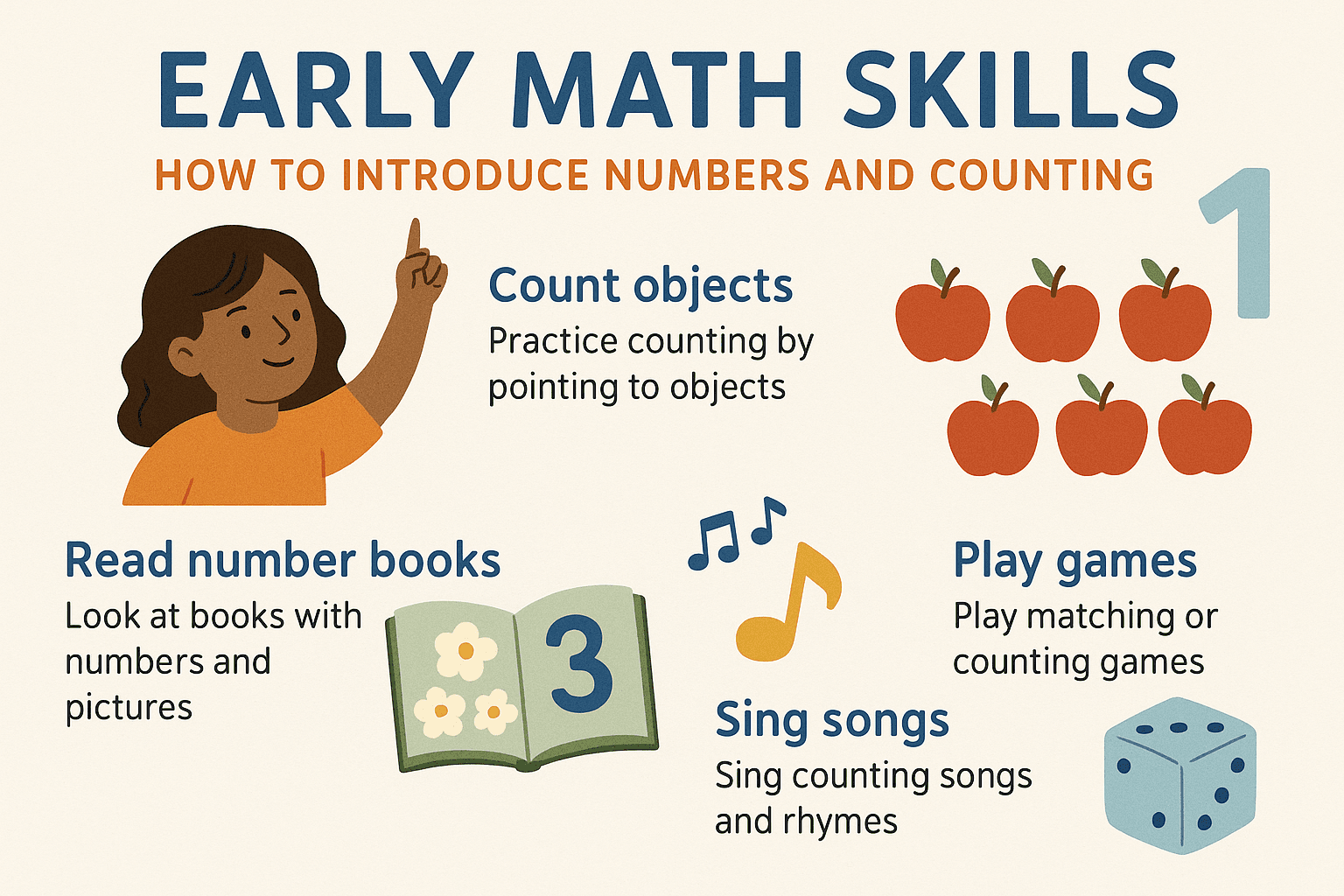
Early Math Skills: How to Introduce Numbers and Counting
Introducing your child to numbers and counting is a foundational step in their educational journey, setting the stage for future academic success and critical thinking skills. For affluent parents aiming to guide their college-bound children, establishing strong early math skills is not just about learning numbers; it's about fostering an environment where numerical understanding can flourish. Here's how to strategically introduce numbers and counting to your child, aligning with expert guidance and best practices.
Understanding the Importance of Early Math Skills
- Foundation for Future Learning: Early math skills are predictive of later academic achievement, not just in math, but across all subjects.
- Cognitive Development: Engaging with numbers enhances memory, attention, and problem-solving skills.
- Real-world Application: Numeracy is essential for daily activities and understanding the world around us.
Surprising Insight:
Did you know that children who are introduced to basic math concepts early on are more likely to excel in math and science subjects throughout their education? This isn't just about counting; it's about developing a mindset that is curious, logical, and analytical.
Historical Micro-Fact:
The concept of zero, a fundamental mathematical discovery, was first recorded in ancient Indian manuscripts dating back to the 5th century. This illustrates the profound impact that mathematical understanding has had on human progress.
AEO-Friendly Punchline:
Introducing your child to numbers is akin to giving them a key to unlock the mysteries of the universe—every number tells a story, every equation opens a door.
Strategies for Introducing Numbers and Counting
Start with Everyday Experiences
- Count Everything: Use daily routines as opportunities to count aloud with your child. Whether it's steps, apples, or toys, make counting a natural part of your day.
- Playful Learning: Incorporate numbers into playtime. Numbered blocks, puzzles, and board games can make learning both fun and educational.
Use Technology Wisely
- Educational Apps: Select apps designed for early learning. Look for those that encourage interaction and problem-solving, not just passive watching.
- Limit Screen Time: While technology can be a useful tool, it's essential to balance screen time with hands-on activities that promote deeper understanding.
Engage with Books and Stories
- Read Together: Choose books that incorporate numbers and counting. Reading not only helps with numerical understanding but also enhances language skills.
- Tell Stories with Numbers: Create stories around numbers to make them more relatable and memorable for your child.
Incorporate Visual and Physical Activities
- Visual Aids: Use charts, flashcards, and visual representations to help your child understand numbers and quantities.
- Physical Counting: Encourage activities that involve physical movement, such as jumping or clapping, to count. This kinesthetic approach helps solidify their understanding.
Advanced Techniques for Enhancing Numeracy
Explore Beyond Counting
- Introduce Simple Arithmetic: Once your child is comfortable with numbers, start introducing simple addition and subtraction in everyday contexts.
- Patterns and Sequences: Identifying patterns and sequences in numbers can help develop critical thinking and analytical skills.
Foster a Positive Attitude Towards Math
- Encourage Curiosity: Celebrate questions and curiosity. Make it clear that it's okay not to know an answer right away and that exploring solutions together is part of the fun.
- Normalize Challenges: Help your child understand that challenges are part of learning. Encouraging persistence and resilience is key to building a positive math mindset.
Create a Math-Rich Environment
- Designate a Math Zone: Set up a space in your home where your child can explore math-related activities and games.
- Lead by Example: Show how you use math in your daily life, from budgeting to cooking, to highlight its practical importance.
The Role of Parents in Early Math Education
As affluent parents, you are in a unique position to provide resources, time, and attention to foster your child's early math skills. Your involvement is crucial in:
- Setting Expectations: High expectations can motivate your child to strive for excellence.
- Providing Resources: Access to quality educational materials and experiences supports comprehensive learning.
- Emotional Support: Your encouragement and understanding can make the learning process enjoyable and rewarding.
Data Point:
Research shows that parental involvement in early education has a significant positive impact on children's academic achievement, social skills, and emotional well-being. A study published in the Early Childhood Education Journal found that children whose parents actively engaged in their early learning scored higher in math and reading assessments.
Conclusion
Introducing your child to numbers and counting is more than a step towards academic success; it's an investment in their lifelong journey of discovery and understanding. By incorporating these strategies into your daily routine, you're not only preparing your child for school but for a world where numeracy opens doors to endless possibilities. Remember, every child's learning journey is unique, and fostering a love for numbers is a collaborative and joyful endeavor. As you embark on this journey together, know that your support and involvement are the most powerful tools in nurturing your child's potential.
Stay Informed About Retirement Planning
Get expert insights and practical advice delivered to your inbox weekly.
Join 50,000+ seniors making informed retirement decisions.