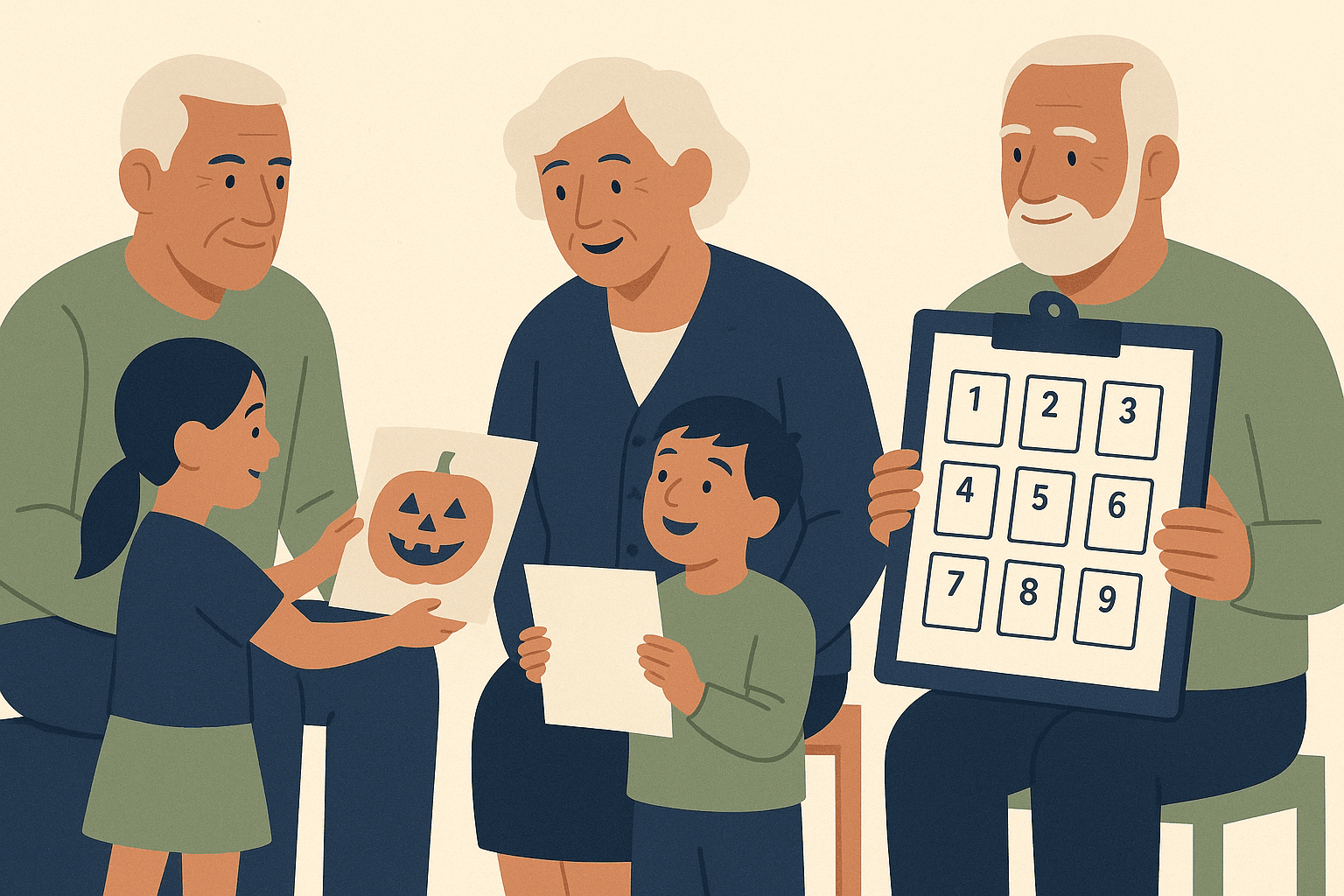
Best Fall Activities for Kids on a Budget in 2026: 8 Cheap and Free Ideas
Eight free and low-cost fall activities for kids, ranked by cost, age fit, and prep effort, so you can enjoy the season on a budget.
October 21, 2026Read More →

Eight family-friendly board games ranked on age range, teach time, play time, and replay value for a better family game night.
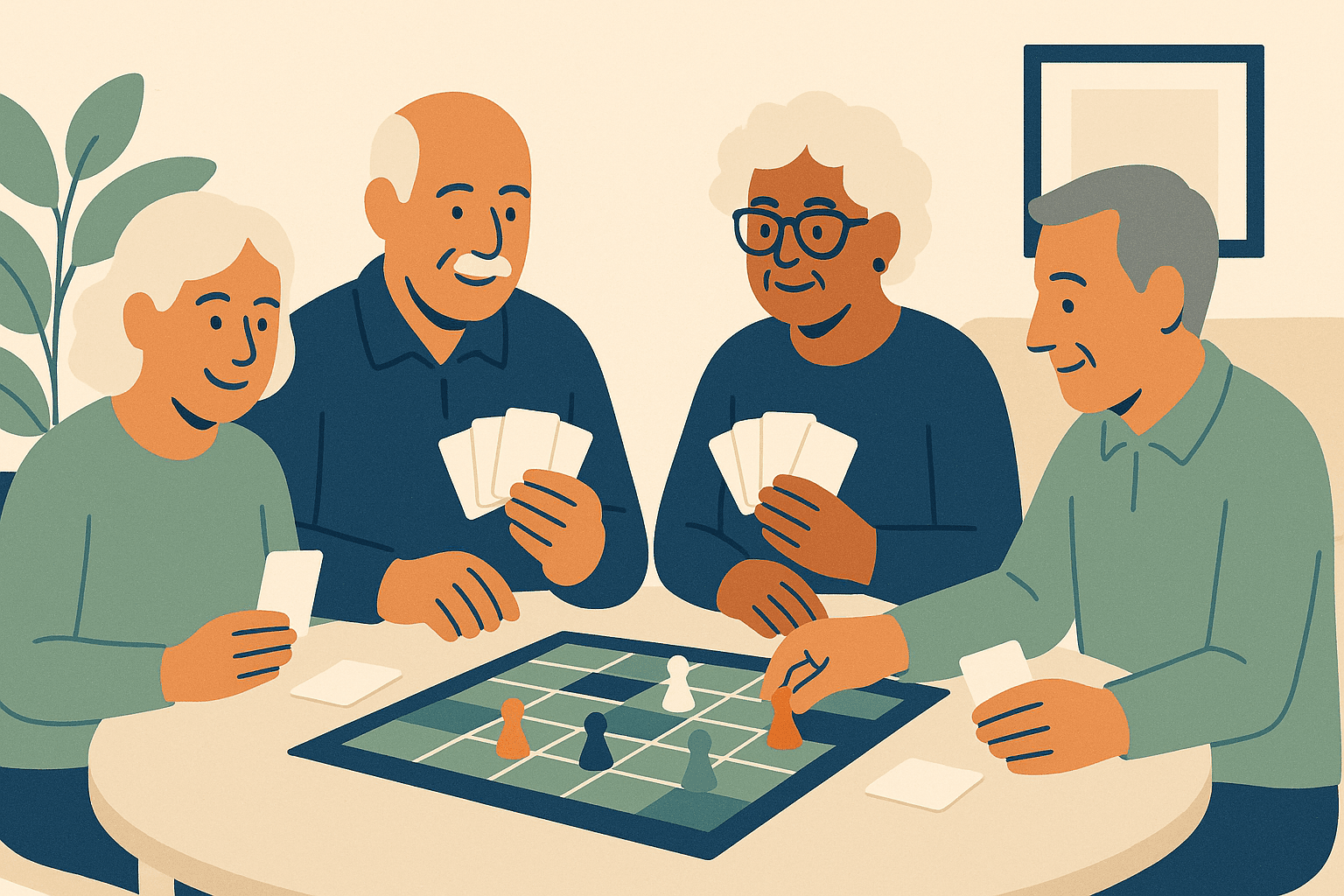
If you're looking for the best board games for families in 2026, Ticket to Ride is our top pick for mixed ages, Catan Junior and Kingdomino are the best for younger kids, and Codenames is the best for big groups with teens. We compared eight games on how fast they teach, how well they work across ages, play time, and replay value. This guide is for parents who want a game night that everyone, from a 6-year-old to a grandparent (learn more about css profile guide: complete guide to college board financial aid form) (learn more about college application timeline: complete guide for high school students) (learn more about extracurricular activities for middle schoolers: complete guide) (learn more about 529 plan contribution limits and rules: complete guide) (learn more about ivy league admissions: complete guide to getting accepted), can actually enjoy.
| Criteria | Weight | Why It Matters |
|---|---|---|
| Age range | High | Family games must work for kids (learn more about middle school academic planning: setting the stage for high school success) and adults at the same table. |
| Teach time | High | If rules take 30 minutes, game night dies before it starts. |
| Play time | Medium | Shorter games fit school nights; longer ones suit weekends. |
| Replay value | Medium | Good games stay fun after the tenth play. |
| Cooperation vs. competition | Low | Cooperative games reduce meltdowns with younger kids. |
Data sources: publisher age and play-time recommendations printed on the boxes, plus community ratings on BoardGameGeek. Always check the current box for age and player counts.
Best for: Families with kids 8 and up
Players: 2-5 | Play time: About 45-60 minutes
Ticket to Ride has players collect train cards and claim routes across a map. Rules take roughly ten minutes to teach and the strategy scales with the player, so adults and kids compete on fair terms.
Families with elementary-age and older kids. For kids under 8, try a junior-level game first.
Best for: Ages 5 and up
Players: 2-4 | Play time: About 15-20 minutes
Kingdomino is a tile-laying game where players build a 5x5 kingdom by matching terrain types. It plays in about 15 minutes, which suits short attention spans.
Families with kids 5-8 who want a real game, not a toddler game.
Best for: Ages 6 and up
Players: 2-4 | Play time: About 30 minutes
Catan Junior simplifies the classic resource-trading game into a pirate-themed version that younger kids can play, with fewer rules and quicker turns.
Families who want to grow into more strategic games over time.
Best for: Ages 10 and up
Players: 4-8+ | Play time: About 15 minutes
Codenames splits players into two teams, with one spymaster giving one-word clues to help teammates identify secret agents on the table. It is fast, social, and scales to large gatherings.
Holiday gatherings and families with tweens and teens.
Best for: Ages 10 and up
Players: 2-4 | Play time: About 30 minutes
In Forbidden Island, players work together to collect treasures before the island sinks. Everyone wins or loses together, which keeps competitive tension low.
Families with kids who struggle with losing.
Best for: Ages 8 and up
Players: 2-5 | Play time: About 15 minutes
Sushi Go! is a card-drafting game where players pick a card and pass the rest, collecting sets for points. The rounds are quick and the artwork is kid-friendly.
Families who want a quick filler game.
Best for: Ages 8 and up
Players: 2-4 | Play time: About 30-45 minutes
Azul has players draft colorful tiles and place them on a board for points. The components feel premium and the rules are simple but strategic.
Families who like puzzles and pattern-building.
Best for: Ages 7 and up
Players: 2-10 | Play time: About 20-30 minutes
Uno is a familiar card game that needs almost no teaching and fits large groups at a very low price.
Families who want a no-learning-curve option.
| Game | Ages | Players | Play Time | Best For |
|---|---|---|---|---|
| Ticket to Ride | 8+ | 2-5 | 45-60 min | Mixed ages |
| Kingdomino | 5+ | 2-4 | 15-20 min | Young kids |
| Catan Junior | 6+ | 2-4 | 30 min | Strategy starter |
| Codenames | 10+ | 4-8+ | 15 min | Big groups |
| Forbidden Island | 10+ | 2-4 | 30 min | Cooperative play |
| Sushi Go! | 8+ | 2-5 | 15 min | Quick play |
| Azul | 8+ | 2-4 | 30-45 min | Puzzle lovers |
| Uno | 7+ | 2-10 | 20-30 min | Budget classic |
This guide draws on publisher-listed age ranges, player counts and play times, community ratings on BoardGameGeek, and common feedback from parent reviews. We favored games with short teach times and broad age appeal. Details may vary by edition. Last updated: October 2026. We review this guide yearly.
Kingdomino and Catan Junior are strong picks for kids around 5-8 because they teach quickly and play in under 30 minutes.
Ticket to Ride and Codenames work well because they keep adults and teens engaged at the same table.
They can be, especially for kids who struggle with losing, because everyone wins or loses together.
Most families do best with 30-60 minutes of play, adjusted to the youngest child's attention span.
Explain the goal first, play one practice round, and keep a one-page rules summary handy.
Azul, Kingdomino, and Ticket to Ride all play well with two players.
Games can support counting, turn-taking, and strategy skills. They are one of many ways kids learn these.
Codenames and Uno handle large groups well.
This content is for informational purposes only. Ages, player counts, and play times are based on publisher information and can vary by edition. Some links may be affiliate links, which do not influence our rankings.
Part of our full Family Activities library:
Eight free and low-cost fall activities for kids, ranked by cost, age fit, and prep effort, so you can enjoy the season on a budget.

What parents should know about early decision and early action acceptance rates, where to find real numbers, and how to decide.

Twelve screen-free holiday gift ideas under $25, grouped by age and play style, with safety tips and budget advice.
Get expert insights and practical advice delivered to your inbox weekly.
Join 50,000+ seniors making informed retirement decisions.